
Understanding the Best Dog Breeds for Swimming
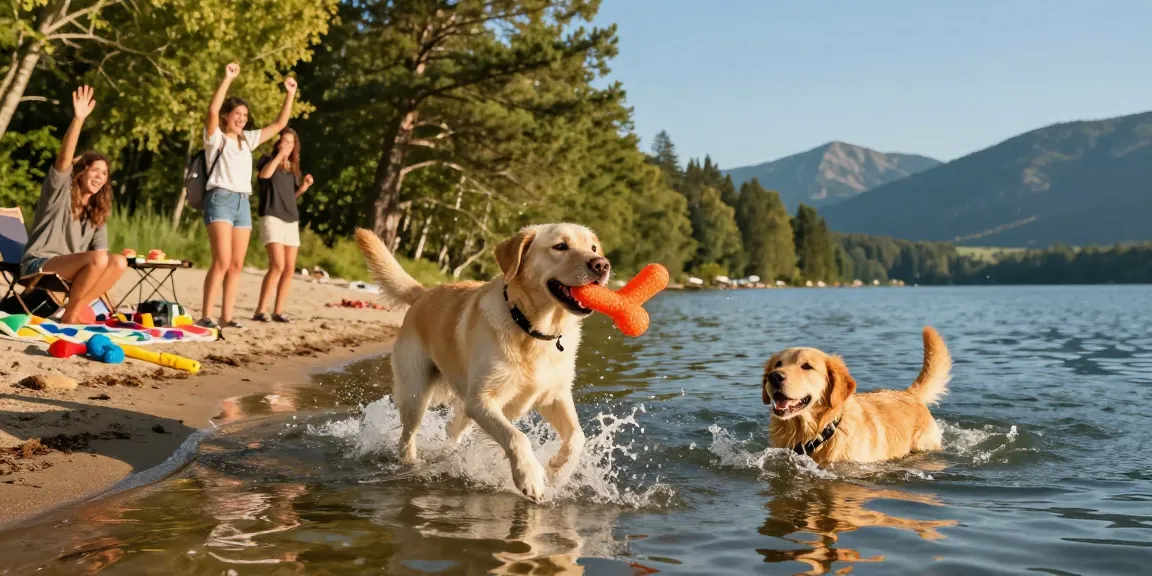
As temperatures rise and summer approaches, many dog owners find themselves contemplating a perfect day at the beach or the lake with their furry companions. However, not all dogs are created equal when it comes to swimming. Some breeds thrive in water, eagerly diving in and swimming with ease, while others may struggle or even panic during their first exposure to water. When exploring options, the best dog breeds for swimming provide insight into which breeds are naturally inclined to embrace aquatic adventures, as well as which ones might need a little extra support. In this guide, we will dive deep into the remarkable world of dogs that love to swim, the genetic factors that influence their abilities, and how to prepare your dog for a positive swimming experience.
The Genetic Traits of Water-Loving Breeds
The innate affinity for water in certain dog breeds can often be traced back through generations of selective breeding. Breeds that were developed for specific tasks related to water—such as retrieving game or assisting fishermen—exhibit distinguishing traits that enhance their swimming capabilities. For instance, dogs like the Labrador Retriever and the Chesapeake Bay Retriever have physical attributes, such as webbed paws and robust, water-resistant coats, that facilitate effortless swimming. Understanding these genetic traits is essential for potential owners to make informed decisions about adding a dog to their family.
Importance of Water Exposure for Dogs
For many dogs, particularly those from water-loving breeds, exposure to water early in life can pave the way for a joyful relationship with swimming. Puppies that experience water in a safe and controlled environment often learn to enjoy it as they grow. This early exposure not only helps dogs adapt but also reduces anxiety that might arise during later interactions with water. Swimming can serve as a fantastic method of exercise, providing both physical and mental stimulation that many dogs crave.
Top Swimming Breeds: A Detailed Look
- Labrador Retriever: Renowned as one of the most versatile and trainable breeds, Labs were initially bred to assist fishermen in Newfoundland. Their webbed feet and otter-like tails make them natural swimmers. For owners with a Labrador, providing access to water is integral to their happiness.
- Golden Retriever: Similar to Labs, Golden Retrievers enjoy water activities and possess the endurance to retrieve in aquatic environments. Their friendly disposition coupled with a natural love for water makes them family favorites.
- Portuguese Water Dog: Known for their robust, muscular build and webbed feet, Portuguese Water Dogs excel in swimming tasks, having been bred to assist fishermen in Portugal. Their intelligence and energy demand frequent engagement in water activities.
- Irish Water Spaniel: This unique breed, with a curly coat and distinctive rat tail, is bred specifically for waterfowl hunting. Their strong swimming abilities and resilience make them adept aquatic companions.
- Chesapeake Bay Retriever: The Chessie, as it’s affectionately known, was bred for cold, difficult waters, making them powerful swimmers and tenacious retrievers.
- Standard Poodle: Contrary to their pampered image, Standard Poodles were originally bred as water retrievers. Their athleticism and intelligence position them as excellent swimmers.
- Nova Scotia Duck Tolling Retriever: The Toller is an enthusiastic swimmer who was developed to lure and retrieve waterfowl, making them a natural fit for water environments.
- German Shorthaired Pointer: This versatile breed is equally comfortable on land and in water, making them excellent for owners who enjoy lake activities.
- Boykin Spaniel: South Carolina’s state dog, the Boykin was bred for waterfowl hunting in marshy conditions, making them adept swimmers.
- Vizsla: While they lack some swimming-specific anatomical features, many Vizslas are enthusiastic about water, benefiting from early exposure.
Characteristics of Excellent Swimmers
Anatomical Features that Aid Swimming
Dogs that swim well typically possess certain anatomical features that enhance their aquatic abilities. These include:
- Webbed Feet: Essential for propulsion, webbed toes allow for efficient paddling, giving water dogs an edge over other breeds.
- Water-Resistant Coats: A dense double coat requires maintenance to ensure insulation and buoyancy, making them ideal for swimming in colder temperatures.
- Strong Musculature: A well-muscled body not only aids in swimming power but also supports endurance in longer swims.
- Otter Tails: This powerful tail serves as a rudder, allowing for better maneuverability in water.
Temperament and Energy Levels of Water Dogs
In addition to physical traits, the temperament of water-loving breeds plays a crucial role in their swimming success. Breeds like the Labrador Retriever and Golden Retriever are known for their amiable and eager-to-please natures, which make them more likely to embrace swimming experiences. A dog’s energy level also influences their swimming performance; high-energy breeds often thrive in environments where they can swim, play, and explore.
Behavioral Aspects of Dogs in Water Environments
Introducing dogs to swimming should be done with care to ensure a positive experience. Dogs that are hesitant or fearful might require more gradual exposure to water. Using positive reinforcement techniques can help dogs associate swimming with enjoyable experiences. Recognizing your dog’s body language while they are in water is crucial; signs of anxiety or distress should be addressed promptly to avoid negative associations with swimming.
Breeds That Swim Well with Support
Identifying Breeds Needing Extra Caution
While many breeds are natural swimmers, some require extra support. Brachycephalic breeds such as Bulldogs and Pugs may struggle in water due to their anatomical structure, which limits airflow. Owners should take special precautions to ensure these breeds have safe, positive experiences with water.
Training Tips for Encouraging Swimming
To help less enthusiastic swimmers embrace water, start with gradual introductions in shallow areas. Use toys or treats to encourage them to enter the water. Additionally, taking swimming lessons with a certified instructor can be beneficial, particularly for breeds known to require extra support.
Essential Gear for Safety in Water
Safety should always be a priority when introducing dogs to swimming. Essential gear includes:
- Life Jackets: These are imperative for dogs that are not strong swimmers. Look for a jacket with a handle to help lift your dog out of the water if needed.
- Water Shoes: For dogs swimming in rocky or uneven environments, canine water shoes can protect their paws from injury.
- Collars with Identification Tags: In case of an accident, having a secure form of identification on your dog can be crucial.
Dog Breeds Struggling with Swimming
The Anatomy of Non-Swimming Breeds
Some dog breeds simply do not have the anatomical advantages necessary for swimming. Breeds such as Dachshunds and Basset Hounds have long bodies and short legs, making swimming physically challenging. Large breeds like Mastiffs and Great Danes face challenges as well due to their size and weight.
Common Misconceptions About Swimming Ability
One common misconception is that all dogs instinctively know how to swim. While many breeds have strong swimming instincts, others may panic or struggle without prior experience. Educating yourself about your dog’s breed-specific traits is essential for setting realistic expectations regarding their swimming abilities.
Alternatives to Swimming for Exercise
For breeds that struggle with swimming, alternative forms of exercise are crucial. Activities such as fetch, agility training, or hiking can provide the necessary physical and mental stimulation these dogs require. Understanding your breed’s unique needs is vital for its overall well-being.
Preparing Your Dog for a Safe Swim
First Swim: Steps to Ensure Comfort
Preparing your dog for its first swim is a thoughtful process that involves several key steps:
- Choose the Right Location: A calm, shallow area is ideal for a dog’s first swimming experience. Avoid overly crowded or chaotic environments.
- Introduce Gradually: Allow your dog to explore the water at their own pace, starting with shallow entries where they can comfortably touch the bottom.
- Use Positive Reinforcement: Bring treats and praise your dog for entering the water, even if it’s just a paw at first. Positivity encourages confidence.
Monitoring Your Dog’s Swimming Ability
As your dog becomes more comfortable in the water, monitor their swimming ability closely. Signs of fatigue, such as slower paddling or difficulty keeping their head above water, should be taken seriously. Always be prepared to assist your dog if necessary.
Recognizing Signs of Fatigue or Distress
Understanding when your dog is fatigued or stressed in the water is crucial. Look for signs such as:
- Slower movements
- Lower body position in the water
- Irregular breathing patterns
- Attempting to climb out of the water
These signs are indicators that it’s time to get your dog out of the water and allow them to rest.
