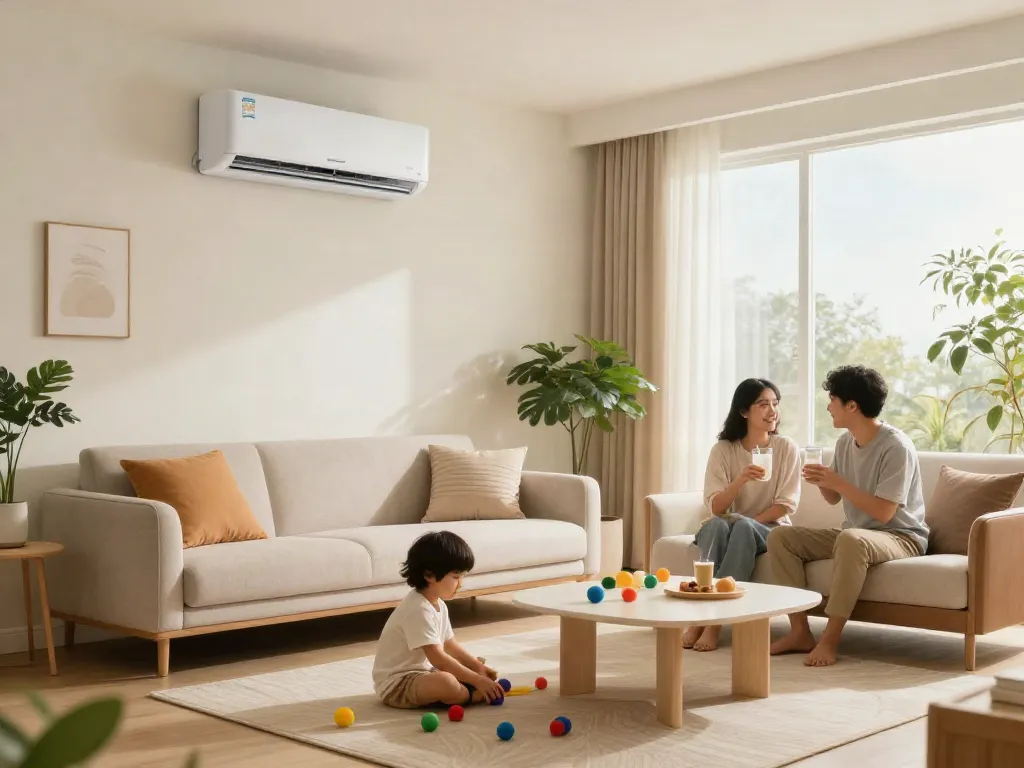
Understanding Mini Split AC Systems
As the demand for energy-efficient cooling solutions grows, the popularity of mini split ac systems has surged. These versatile units provide comfort without the drawbacks of traditional cooling systems, making them a preferred choice for homeowners and renters alike. Whether you’re looking to cool a single room or an entire home, understanding how mini split AC systems operate can make a significant difference in achieving the ideal indoor climate.
What is a mini split AC?
A mini split AC, also known as a ductless air conditioning system, is a compact HVAC solution designed to efficiently cool and heat individual spaces. Unlike traditional air conditioning systems that rely on ductwork, mini splits consist of an outdoor compressor unit and one or more indoor air-handling units. This design allows for flexibility in installation and the ability to control the temperature in different areas independently.
Benefits of mini split AC for home cooling
There are numerous benefits to choosing a mini split AC system for home cooling. Below are some of the key advantages:
- Energy Efficiency: Mini split systems typically operate at higher efficiency ratings compared to traditional systems, which can lead to significant savings on energy bills.
- Flexible Installation: With no ductwork required, mini splits can be installed in various locations, allowing homeowners to target specific areas that need cooling.
- Quiet Operation: Mini split units are quieter than window units and traditional air conditioners, making them ideal for bedrooms and living spaces.
- Improved Air Quality: Ductless systems often come with multi-stage filtration systems that improve indoor air quality by reducing dust, allergens, and other pollutants.
How mini split AC works: The technology behind it
The operation of mini split AC systems is based on the principles of heat exchange. The outdoor unit absorbs heat from the outside air and transfers it into the refrigerant. This refrigerant is then pumped to the indoor unit, where it is expanded and cooled, allowing it to absorb heat from the indoor air. The cooled air is blown back into the room, lowering the indoor temperature effectively.
Choosing the Right Mini Split AC for Your Space
Selecting the proper mini split AC system for your home is paramount to achieving optimal comfort and efficiency. Various factors influence this decision, including the size of the space, your climate, and personal preferences.
Factors to consider when selecting a mini split AC
When choosing a mini split AC, consider the following:
- Cooling Capacity: Measured in BTUs, it's important to select a unit that matches your room size. An undersized unit will struggle to cool the space, while an oversized one can lead to high energy bills and humidity problems.
- Energy Efficiency Ratings: Look for systems with high SEER (Seasonal Energy Efficiency Ratio) ratings to ensure long-term savings on your energy bills.
- Number of Zones: Determine how many indoor units you need based on the number of rooms or areas you wish to cool.
- Installation and Maintenance Needs: Consider how easy the unit is to install and maintain. Some models may require more frequent cleaning or servicing than others.
Mini split AC sizing and capacity explained
Understanding the appropriate size for your mini split AC is critical for effective performance. A unit that is too small will not adequately cool the space, while a unit that is too large can lead to short cycling and increased wear on the system. Use the following guidelines to help determine the right size:
- Measure the square footage of the room.
- Consider the room's insulation and sun exposure.
- Account for other factors, such as the number of occupants and heat-producing appliances.
Comparing mini split AC brands and models
With many brands available on the market, it's essential to compare features, warranties, and reviews. Look for reputable brands known for reliability and customer support. Key factors to consider include:
- Warranty options and service availability
- Availability of replacement parts
- Customer satisfaction ratings and reviews
Installation Process for Mini Split AC Systems
The installation of a mini split AC system can be a straightforward process if you understand the steps involved. However, depending on your skills and experience, you may choose to hire a professional.
Do-it-yourself vs. professional installation
DIY installation can save money, but it requires knowledge of electrical and plumbing systems. For those who are less experienced, hiring a professional can ensure the system is installed correctly and safely. A correctly installed system will operate more efficiently and prolong the life of the unit.
Step-by-step guide to installing a mini split AC
If you choose to install the system yourself, follow these steps:
- Choose an appropriate location for the indoor and outdoor units.
- Install the mounting bracket for the indoor unit.
- Connect the refrigerant lines, electrical wiring, and drain line.
- Mount the indoor unit on the bracket.
- Install the outdoor unit on a stable surface and connect it to the indoor unit.
- Test the system to ensure it operates correctly.
Common installation mistakes to avoid
Some common pitfalls during the installation process include:
- Incorrect sizing: Ensure the system matches the room's requirements.
- Poor placement: Avoid locations that impede airflow or are exposed to harsh weather conditions.
- Neglecting insulation: Ensure all connections are properly insulated to prevent leaks.
Energy Efficiency and Cost-Saving Tips
One of the primary advantages of a mini split AC system is its energy efficiency. However, you can take additional steps to maximize this efficiency and reduce your utility bills.
Understanding mini split AC energy ratings
Familiarize yourself with energy ratings such as SEER and HSPF (Heating Seasonal Performance Factor). Higher ratings indicate greater efficiency, which translates into lower energy costs. Additionally, Energy Star-certified units meet strict energy-saving guidelines set by the U.S. Environmental Protection Agency.
How to maximize efficiency with mini split AC
To ensure that your mini split AC operates at peak efficiency:
- Regularly clean or replace the air filters.
- Seal any leaks in ductwork or connections.
- Utilize programmable thermostats to optimize cooling schedules.
Long-term cost benefits of using mini split AC systems
While the initial investment may be higher than traditional systems, the long-term benefits include lower energy bills, reduced maintenance costs, and improved comfort. Over time, these savings can offset the upfront costs significantly.
Maintenance and Troubleshooting Tips
To extend the life of your mini split AC system, regular maintenance is essential. Keeping your unit in good working condition will help prevent costly repairs and ensure optimal performance.
Routine maintenance for mini split AC systems
Perform the following maintenance tasks regularly:
- Clean the filters monthly to ensure proper airflow.
- Inspect the outdoor unit for debris and clear any obstructions.
- Schedule professional servicing at least once a year.
Troubleshooting common mini split AC issues
Common issues may include:
- No cool air: Check the thermostat settings and ensure the filters are clean.
- Unusual noises: Inspect the unit for loose parts or foreign objects.
- Water leaks: Ensure the drain line is clear and not obstructed.
When to call a professional for repairs
If you experience complex issues such as refrigerant leaks or electrical problems, it’s best to call a qualified HVAC technician. Attempting to repair these issues without expertise can lead to further damage or safety risks.
What is the average lifespan of a mini split AC?
Typically, a well-maintained mini split AC system can last between 15 to 20 years. Regular maintenance is crucial to maximizing the lifespan and ensuring reliable performance.
Are mini split AC systems noisy?
One of the benefits of mini split AC systems is their quiet operation. Most models produce noise levels comparable to a soft conversation, making them suitable for bedrooms and other quiet spaces.
Can a mini split AC heat a room effectively?
Yes, mini split systems are equipped with heat pump technology that allows them to heat spaces efficiently, making them versatile for year-round comfort.
What is the installation cost for a mini split AC?
The cost of installing a mini split AC can vary widely based on the model, complexity of the installation, and local labor rates. On average, installation can range from $2,000 to $5,000, depending on several factors.
How do mini split AC systems compare to traditional HVAC?
Mini split AC systems are often more energy-efficient and provide greater flexibility than traditional HVAC systems. They do not require ductwork, which can save on installation costs and improve energy efficiency by eliminating duct losses.