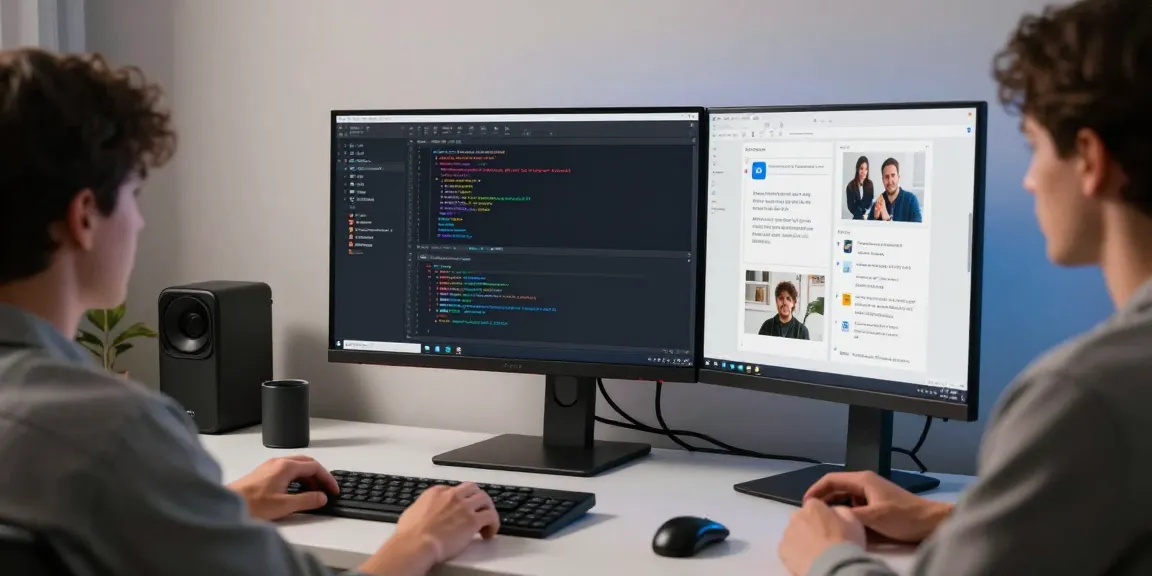
Understanding the Importance of Effective Collaboration
In today’s fast-paced professional landscape, effective collaboration has emerged as a cornerstone for success across various industries. As organizations adapt to rapid changes, the ability to work together efficiently becomes paramount. Collaboration not only enhances productivity but also fosters innovation by bringing diverse perspectives to the table. In a world where remote work and cross-functional teams are becoming the norm, understanding how to collaborate effectively can make all the difference in achieving organizational goals. For those looking to explore comprehensive insights on collaboration strategies, https://88m.lifestyle/ can provide valuable resources.
What is Collaboration in a Professional Context?
Collaboration in a professional setting refers to the process where individuals or teams work together to achieve a common goal. This involves sharing knowledge, skills, and resources, allowing for a more efficient and effective approach to problem-solving. The essence of collaboration lies in leveraging the strengths of each team member to enhance overall performance. As businesses evolve, the traditional hierarchical structure is giving way to more fluid and inclusive methods of working together, enabling organizations to respond swiftly to challenges and opportunities.
The Benefits of Collaboration for Teams
Effective collaboration offers numerous benefits for teams, including:
- Increased Creativity: When diverse minds collaborate, they generate a wider range of ideas, fostering creativity and innovation.
- Enhanced Problem-Solving: Collaborating allows teams to pool their knowledge and resources, leading to more effective solutions to complex problems.
- Improved Communication: Working together encourages open communication, reducing misunderstandings and enhancing team dynamics.
- Higher Engagement: Collaborative environments often lead to higher employee satisfaction as team members feel valued and involved in the decision-making process.
- Accelerating Learning: Team members can learn from each other’s experiences, leading to personal and professional development.
Common Misconceptions About Collaboration
Despite its importance, there are several misconceptions about collaboration that can hinder its effectiveness:
- Collaboration Equals Consensus: Some believe that collaboration means everyone must agree. In reality, constructive disagreement can lead to better outcomes.
- Collaboration is Only for Teams: While often associated with teams, collaboration can also occur between individuals in different departments or organizations.
- Technology Alone Solves Collaboration Issues: While tools can facilitate collaboration, they cannot replace the need for effective interpersonal communication and trust-building.
Identifying Barriers to Effective Collaboration
Understanding the barriers that impede collaboration is crucial for fostering a more cooperative environment. Identifying these challenges allows organizations to implement strategies that enhance collaboration across teams.
Communication Challenges in Teams
One of the most significant barriers to effective collaboration is communication. Miscommunication or lack of communication can lead to misunderstandings, frustration, and conflict among team members. Issues may arise from:
- Geographical Separation: Remote work can create silos, making it difficult for team members to communicate effectively.
- Varying Communication Styles: Differences in how individuals communicate can lead to misinterpretation of messages.
- Fear of Repercussions: Employees may hesitate to express their opinions or ideas due to fear of negative consequences.
Technological Obstacles to Collaboration
While technology can enhance collaboration, it can also pose challenges such as:
- Over-reliance on Tools: Excessive dependence on technology can lead to disengagement and reduced personal interactions.
- Incompatibility of Tools: Different teams may use varying platforms, making it harder to collaborate effectively.
- Lack of Training: Insufficient knowledge of collaboration tools can limit their effective use.
Cultural Factors Affecting Team Dynamics
Cultural differences can significantly affect collaboration, particularly in diverse teams. Variations in cultural backgrounds can lead to different working styles, decision-making processes, and communication preferences. Organizations must recognize and embrace these differences to foster a more inclusive and collaborative environment.
Strategies for Enhancing Team Collaboration
To improve collaboration, organizations must adopt specific strategies that promote seamless interaction among team members. Below are some effective approaches:
Tools and Technologies That Facilitate Collaboration
Implementing the right tools can dramatically enhance collaboration. Some popular collaboration tools include:
- Project Management Software: Tools such as Asana, Trello, and Monday.com help teams track progress and stay organized.
- Communication Platforms: Applications like Slack or Microsoft Teams foster real-time communication and collaboration.
- Document Sharing Systems: Google Drive and SharePoint enable team members to access and collaborate on documents easily.
Best Practices for Seamless Communication
To facilitate better communication, teams should:
- Establish Clear Expectations: Define roles, responsibilities, and communication protocols to eliminate ambiguity.
- Encourage Regular Check-Ins: Schedule frequent meetings to discuss progress and address any issues that arise.
- Foster Open Dialogue: Create an environment where team members feel comfortable sharing ideas and feedback.
Creating a Collaborative Team Culture
A supportive team culture is essential for effective collaboration. This can be achieved through:
- Building Trust: Encourage team-building activities that strengthen relationships among team members.
- Recognizing Contributions: Acknowledge and celebrate individual and team achievements to motivate continuous collaboration.
- Promoting Inclusivity: Ensure that all team members’ voices are heard and valued, regardless of their position or background.
Measuring Collaboration Success in the Workplace
To ensure that collaboration efforts are effective, organizations need to measure success using appropriate metrics. This allows teams to identify areas for improvement and build upon their strengths.
Key Metrics for Evaluating Team Collaboration
Some essential metrics to consider include:
- Project Completion Rates: Track how many projects are completed on time and within scope.
- Employee Satisfaction Surveys: Gauge team morale and satisfaction levels through regular feedback mechanisms.
- Quality of Work: Assess the overall quality and impact of collaborative outputs.
Feedback Mechanisms for Continuous Improvement
Feedback is crucial for improving collaboration. Implementing structured feedback mechanisms can help teams learn from their experiences and adapt their processes. Regularly scheduled retrospectives or debriefs can provide insights into what worked well and what needs adjustment.
Case Studies of Successful Collaboration
Examining real-world examples of successful collaboration can provide valuable lessons. For instance, companies like Google and Amazon have successfully leveraged collaboration tools and practices to foster innovation and drive results. By analyzing these case studies, organizations can identify best practices and tailor them to fit their unique contexts.
Future Trends in Team Collaboration for 2026
The landscape of collaboration is constantly evolving. As we look towards 2026, several trends are anticipated to shape how teams work together.
Emerging Technologies Shaping Collaboration
Advancements in technology will continue to transform collaboration. Artificial Intelligence (AI) and machine learning are expected to play a crucial role in automating routine tasks and enhancing decision-making processes through predictive analytics.
The Role of Hybrid Work Models
With the rise of remote work, hybrid models combining in-person and virtual collaboration will become increasingly common. Organizations will need to develop strategies that facilitate effective teamwork across these different environments.
Predictions for Collaborative Work Environments
Future collaborative environments will likely be characterized by flexibility and adaptability. Companies that can pivot their strategies to meet changing demands while maintaining open lines of communication will thrive.
What are the Top Collaboration Tools in 2026?
As new technologies emerge, collaboration tools will evolve to meet the needs of modern teams. Innovative platforms that integrate AI features and enhance user experience will become essential for fostering collaboration.
Will Remote Collaboration Continue Post-2026?
While the shift to remote work has been accelerated by the pandemic, it is likely that remote collaboration will remain prevalent beyond 2026. Organizations that invest in the right tools and practices to support remote teams will maintain a competitive edge.